01. System Design.
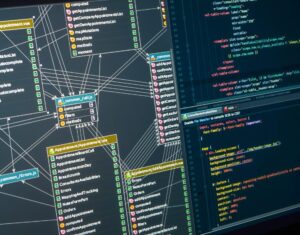
This is the foundation of the entire process. At this stage, we translate the product vision into detailed requirements, architecture, and an implementation plan, aiming to minimize technical, cost, and schedule-related risks.
Key actions
- Requirements Engineering
- Intellectual Property and Patent Search.
- Feasibility Study
- Product Specifications and System Architecture.
- Design for Cost (DfC), Design for Manufacturing (DfM), and Design for Testing (DfT).
- Certification and lifecycle management plan.
Why is this stage important?
A well-executed system design phase minimizes risk, streamlines technical and cost-related decisions, and establishes a foundation for a scalable product ready for certification and market launch.
02. Industrial Design
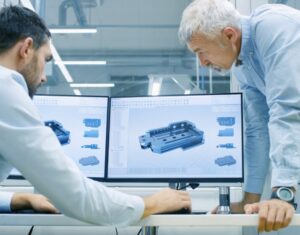
The design phase focuses on ergonomics, aesthetics, and brand consistency. The goal is to create a product that is visually appealing and intuitive to use.
Key actions
- Conceptual sketches and form factor variations.
- 3D Modeling
- Visualizations and evaluation of use cases.
- Prototypes for validating design assumptions.
Why is this stage important?
Industrial design seamlessly integrates functionality with aesthetics. This directly impacts product perception, user ergonomics, brand strength, and competitive advantage upon market entry.
03. Mechanical Engineering
We design the mechanical structure of the product to ensure durability, safety, and readiness for mass production.
Key actions
- Material evaluation and technological limitations assessment.
- Thermal and environmental simulations.
- CAD 3D modeling and mechanical interface design.
- Rapid prototyping and environmental testing.
Why is this stage important?
Mechanical engineering is crucial for ensuring product durability and reliability. Its quality minimizes costly rework in later stages and increases confidence that the product will withstand real-world operating conditions.
04. Electronic Engineering
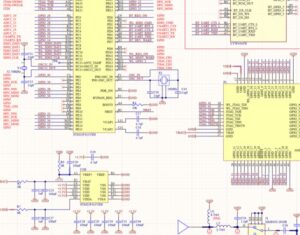
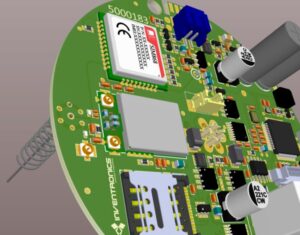
We design and develop electronic architectures, validating them for functionality, reliability, and readiness for certification.
Key actions
- Conceptual design and simulations.
- Component Selection.
- Schematic diagrams and PCB design.
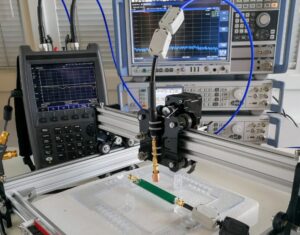
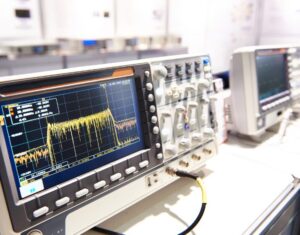
- Hardware Verification, EMC Compliance, and Signal Integrity.
Why is this stage important?
This stage directly impacts the stability, safety, and functionality of the device. Proper electronic engineering design streamlines the certification process and reduces the risk of operational failures.
05. Firmware Development.
Firmware bridges the gap between electronics and product functionality. This phase encompasses code architecture design, implementation, and testing at both the module and system levels.
Key actions
- Firmware architecture and modeling.
- Evaluation of uC/uP platforms.
- Agile implementation and iterative refinement.
- Unit and integration testing.
Why is this stage important?
Firmware governs the operation of hardware in practice. Its quality directly impacts product performance, reliability, and future development potential, as well as ongoing maintenance costs after deployment.
06. Prototyping
This stage involves transitioning from the design phase to the physical validation of the product. It enables rapid verification of fit, functionality, and compliance.
Key actions
- Rapid Prototyping.
- 3D Printing and Design Iterations
- Preliminary Compliance Testing.
- Functional and User Acceptance Testing.
Why is this stage important?
Prototyping enables early detection of errors and reduces project risk. This allows for investment decisions to be based on factual data, rather than solely on assumptions.
07. Fixtures
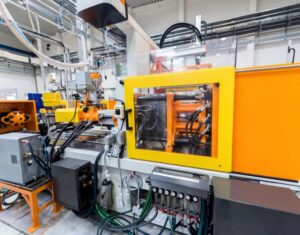
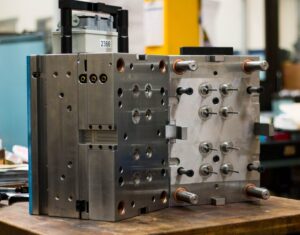
We develop tools and workstations for stable, repeatable, and efficient production processes.
Key actions
- Tool and mold design.
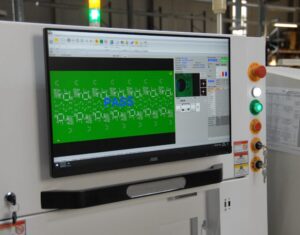
- Production Test Engineering.
- Instrumentation and Fixtures.
- FEM simulation and load validation.
Why is this stage important?
The quality of tooling directly impacts production speed, repeatability, and cost. Well-designed tooling minimizes downtime and improves process stability.
08. Reference Design.
This is a reference unit for mass production. It defines the target quality, functionality, and performance standards.
Key actions
- Final design validation.
- Quality Standard for Production.
- Design for Manufacturability (DFM) Verification.
- Pre-certification testing and customer acceptance.
Why is this stage important?
A reference design establishes a quality benchmark for mass production. It minimizes the risk of discrepancies between the prototype and the production run, and streamlines the customer acceptance process.
09. Certifications
We ensure product compliance with legal requirements and market standards, enabling a safe and rapid market entry.
Key actions
- Environmental Testing
- Compliance Testing for Standards and Regulations.
- Reliability testing and durability analysis.
Why is this stage important?
Certification is more than just a formality. It confirms product safety and compliance, builds brand credibility, and reduces the risk of delays and costs associated with non-compliance.
10. Production Preparation
We bridge the gap between design and mass production. We finalize processes, allocate resources, and implement tools before scaling up.
Key actions
- Materials and Component Procurement
- Validation of Manufacturing Tools.
- Pilot production run.
- Optimizing processes for cost-effectiveness and quality.
Why is this stage important?
Production preparation bridges the gap between design and manufacturing. A well-executed preparation phase minimizes the risk of delays, material shortages, and quality issues after the start of production.
11. Pilot Production
We are producing a limited initial batch to validate process stability and mitigate risks before full-scale production.
Key actions
- Small-scale production.
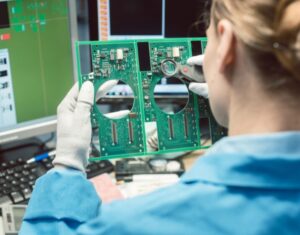
- Quality Assurance Testing.
- Process and Parameter Optimization.
- Feedback Loop for Design and Manufacturing.
Why is this stage important?
Pilot production allows for a safe and controlled testing of the manufacturing process before scaling up. This minimizes the risk of defects, material waste, and costly corrections in mass production.
12. Mass Production.
We scale production while maintaining consistent quality, on-time delivery, and cost control.
Key actions
- Full-Scale Production.
- Quality Control (QC)
- Supply Chain Coordination.
- Production Performance Monitoring.
Why is this stage important?
Mass production is critical for a company's ability to deliver products on time while maintaining quality and profitability. This is a key stage for scaling the business and achieving sales targets.
13. Logistics and Warehousing
We ensure uninterrupted supply and maintain appropriate storage conditions for your product, guaranteeing quality and timely delivery.
Key actions
- Inventory Management
- Storage Solutions
- Order Fulfillment
- Supply chain optimization and real-time tracking.
Why is this stage important?
Efficient logistics and warehousing ensure a consistent supply chain, cost control, and timely order fulfillment. This directly impacts customer satisfaction and operational stability.
14. Distribution.
We deliver products to both local and international markets, ensuring full control over timelines, costs, and regulatory compliance.
Key actions
- Transportation Management
- Global Distribution Networks.
- Last-stage delivery.
- Customs clearance and performance monitoring of deliveries.
Why is this stage important?
Distribution translates manufacturing quality into the end-customer experience. A well-planned distribution phase minimizes delays, improves delivery predictability, and supports expansion into new markets.
15. Post-sales support.
We build long-term customer satisfaction and ensure the continued operational performance of your product after deployment.
Key actions
- Technical Support
- Warranty Services
- User Training
- Feedback Collection and Lifecycle Services.
Why is this stage important?
Post-sales support builds trust and fosters long-term customer loyalty. Simultaneously, it provides valuable usage data that helps improve future product iterations.
16. Performance Monitoring
Upon product launch, we continuously analyze data and trends to enhance both the reliability and the business value of the solution.
Key actions
- Data Acquisition and Analysis.
- Failure analysis and root cause elimination.
- Market Trend Monitoring.
- Product Updates and Reporting.
Why is this stage important?
Continuous performance monitoring ensures that the product remains competitive and meets market expectations. It enables faster response to issues and facilitates more informed development decisions.